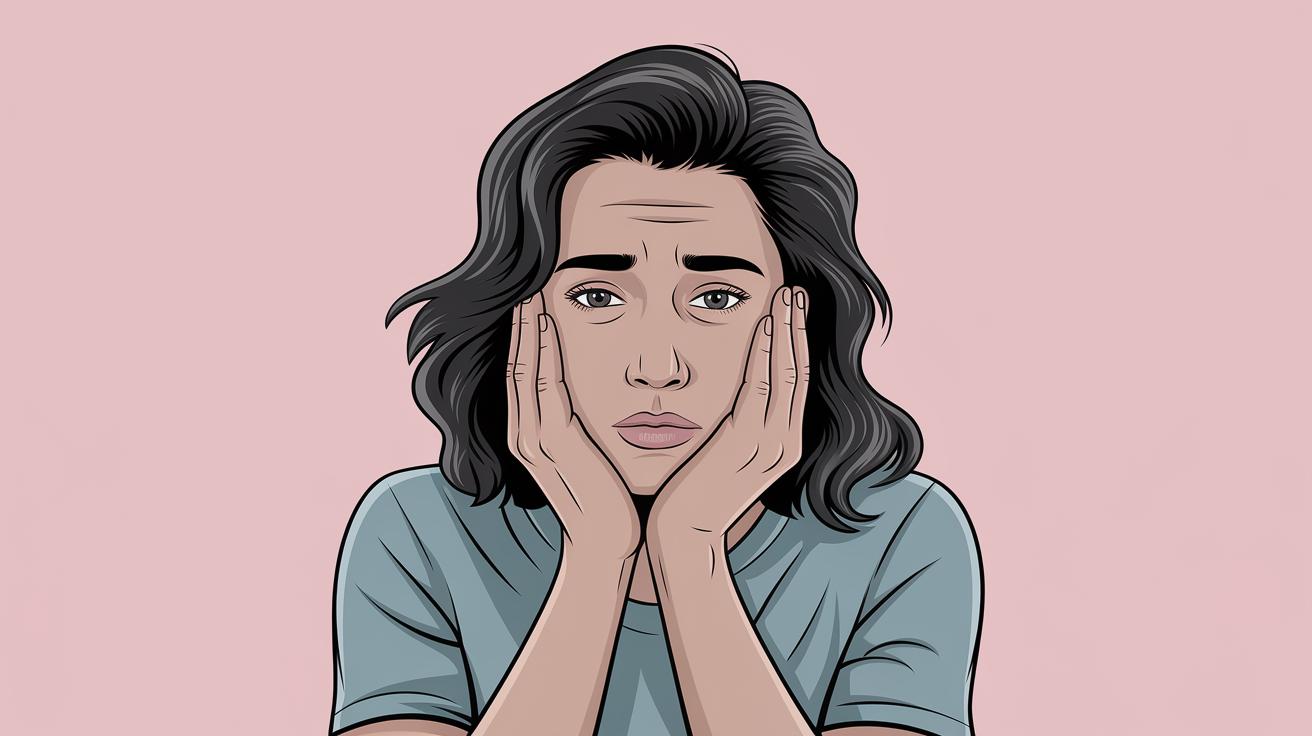
How to Deal with Regret: A Journey Toward Acceptance and Growth
Regret is a universal emotion that can stem from missed opportunities, wrong decisions, or actions we wish we hadn’t taken. It can profoundly affect our mental well-being, making it essential to address and manage these feelings constructively. This blog post delves into effective strategies for coping with regret and transforming it into a catalyst for personal growth. By exploring essential insights, actionable steps, and valuable resources, readers will learn how to embrace their regrets, forgive themselves, and harness these experiences to shape a better future. Join us on this journey of self-discovery and healing as we explore how to deal with regret and move forward with renewed clarity and resolve.
Need to know
Regret can be a heavy burden to carry, affecting both mental and emotional health. Understanding its nature is the first step towards managing it effectively. Regret often arises from self-reflection, where past choices are scrutinized, sometimes harshly. It’s crucial to recognize that everyone experiences regret; it is a shared human condition that signals a desire for a different outcome. This admission of regret can often be linked to personal values and expectations, offering insight into what truly matters to us.
Acknowledging the feelings associated with regret is paramount. Suppressing these emotions can lead to a buildup of stress and anxiety. Accepting that you feel regretful is not about dwelling on these thoughts but rather about opening a dialogue with yourself to understand the root causes. It helps in breaking the cycle of negative thinking, which often exacerbates the feelings of regret. Awareness of how regret can impact decision-making and quality of life is essential for taking control of its influence.
What to do
Once you acknowledge regret, the next step is taking proactive measures to address it. One effective approach is to reframe your thinking. Instead of viewing a past action negatively, consider what you learned from the experience. This cognitive restructuring can transform regret into an opportunity for personal and emotional development. Practicing self-compassion is also crucial; understanding that making mistakes is part of being human can help mitigate harsh self-judgment.
Engaging in constructive actions can also be therapeutic. This might include setting new goals that align with your values, seeking to correct past mistakes where possible, or simply accepting that some situations are beyond repair but hold valuable lessons. Meditation and mindfulness practices can further aid in staying present and reducing the fixation on past regrets. These practices encourage a peaceful and balanced mindset, helping you let go of lingering guilt.
Learn more
Several theories and psychological frameworks offer deeper insights into the nature of regret and its impact on human behavior. For example, decision theory examines how the anticipation of regret can influence future decision-making processes. It’s beneficial to learn about such theories to understand your own behavior and how it is shaped by past experiences. This knowledge empowers individuals to make more informed decisions moving forward.
Additionally, exploring studies on self-forgiveness can be enlightening. Research shows that those who forgive themselves tend to experience less emotional distress and more positive mental health outcomes. By educating yourself on the benefits of self-forgiveness and the steps to achieve it, you can cultivate resilience against regret-induced stress. This further complements personal development, fostering a more forgiving and adaptable outlook on life.
Links & books
Reading self-help books and articles by experienced authors can be highly beneficial in dealing with regret. Some recommended readings include “The Power of Now” by Eckhart Tolle, which emphasizes the importance of living in the present, and “Radical Acceptance” by Tara Brach, which offers insights into embracing oneself unconditionally. Additionally, online platforms like TED Talks provide lectures on regret and self-compassion, offering practical advice and inspiration.
For those interested in exploring regret within a community, joining forums and discussion groups can provide support and shared experiences. Websites such as Psychology Today offer numerous articles on understanding and overcoming regret. These resources form the foundation for a supportive network, allowing individuals to learn from others who have faced similar challenges and successfully navigated them.
Key points – How to deal with regret
- Acknowledge and understand your regret without judgment.
- Reframe regret as a learning opportunity and exercise self-compassion.
- Engage in mindfulness practices to stay grounded in the present.
- Seek knowledge and support from books, articles, and community groups.
Disclaimer
The information provided in this article is for educational purposes only and not intended as a substitute for professional advice, diagnosis, or treatment. Always seek the advice of your mental health provider with any questions you may have regarding a medical condition or emotional concern.
Summary of main points
| Section | Content |
|---|---|
| Need to know | Understanding the nature and impact of regret as a common emotional response, and its relation to personal values. |
| What to do | Actionable strategies for reframing regret, practicing self-compassion, and engaging in mindfulness. |
| Learn more | Exploring psychological theories and the importance of self-forgiveness in overcoming regret. |
| Links & books | Resources for further reading and support, including books, articles, and community engagement. |
This HTML document provides a structured guide on dealing with regret, encompassing understanding, actionable strategies, further insights, and resources for personal growth.