How to Be Less Sensitive
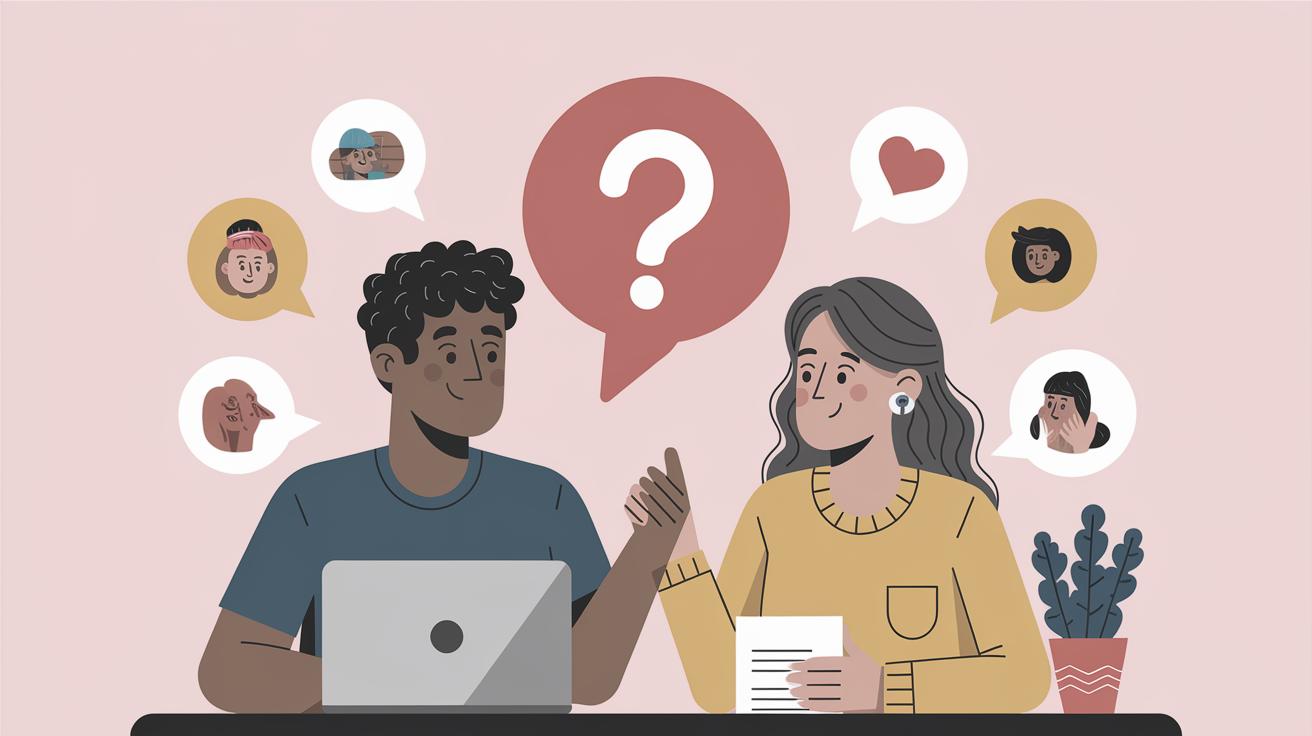
Sensitivity can often be seen as a double-edged sword. On one hand, it allows for empathy and deep connection with others, but on the other, it may lead to overreaction and difficulty handling criticism. If you find yourself feeling overwhelmed by your own sensitivity, rest assured you are not alone. This blog post is dedicated to helping individuals understand their sensitivity, potential causes, and practical ways to manage their emotions effectively. We will explore characteristics of sensitive people, delve into causes, and provide actionable strategies to become less sensitive. Additionally, uncover the benefits of achieving emotional balance and find answers to common questions on emotional sensitivity.
Characteristics of Sensitive People
Sensitive individuals often possess a rich emotional landscape, which can be both a blessing and a challenge. They tend to experience emotions more intensely and may become overwhelmed by stimuli, whether emotional or sensory. This heightened sensitivity can make them more empathetic and compassionate, but also more prone to experiencing stress and anxiety.
Typically, sensitive people are highly attuned to the emotions of others, enabling them to connect deeply. However, this can also result in feeling easily hurt by criticism or negative feedback. It is not uncommon for sensitive individuals to require more time to recharge after social interactions or to feel more profoundly impacted by events that others might perceive as minor.
Potential Causes of Being Sensitive
The roots of sensitivity can be varied, often linked to a combination of genetic, environmental, and psychological factors. Neurological evidence suggests that some individuals are simply wired to process sensory data more deeply, indicating a genetic predisposition to sensitivity. This innate trait can be amplified by environmental conditions, especially during formative years.
Experiences during childhood, such as receiving critical parenting or experiencing trauma, can increase emotional sensitivity. Over time, these experiences shape how an individual perceives themselves and the world around them. Understanding the underlying causes can be a significant first step towards managing sensitivity effectively.
6 Ways to Be Less Sensitive
Learn to Regulate Your Emotions
Emotional regulation is a key skill in managing sensitivity. It involves identifying emotions as they arise and implementing techniques to modulate their intensity. Strategies such as deep breathing, progressive muscle relaxation, or engaging in physical activity can be beneficial in calming heightened emotional responses.
Developing emotional awareness can further aid in recognizing the triggers that lead to intense sensitivity. By understanding what provokes strong reactions, individuals can better plan how to navigate challenging situations calmly and thoughtfully.
Practice Mindfulness
Mindfulness involves staying present in the moment and accepting thoughts and feelings without judgment. By practicing mindfulness, sensitive individuals can learn to observe their emotions from a distance rather than becoming engulfed by them. Techniques such as meditation or yoga can be effective ways to cultivate mindfulness.
Consistent mindfulness practice can reinforce an individual’s ability to approach situations with a clear, reflective mind, enhancing overall emotional resilience and reducing knee-jerk reactions.
Try Journaling
Journaling provides an outlet for processing emotions, reflection, and personal insights. By writing down thoughts and feelings, sensitive individuals can gain clarity and release built-up emotional tension. Over time, journaling can help identify patterns in emotional responses and encourage constructive coping strategies.
Structured journaling, such as gratitude journaling, where individuals focus on positive experiences and emotions, can also shift focus from emotional distress to a more balanced and appreciative mindset.
Don’t Take Things Personally
Learning not to take things personally is crucial for managing sensitivity. It’s important to remind oneself that not all actions or words from others are reflections of one’s worth or character. Reframing situations can often reduce emotional impact and help maintain perspective.
By fostering a mindset that separates oneself from others’ actions, sensitive individuals can mitigate feelings of hurt and disappointment, allowing for healthier interpersonal relationships.
Practice Self-Acceptance
Accepting oneself, sensitivity included, is fundamental in emotional management. Acknowledging that it is okay to feel and express emotions is the first step towards self-compassion. By embracing one’s sensitivity, individuals can transform it from a perceived weakness into a source of power and identification.
Self-acceptance fosters resilience and inner peace, reducing the compulsion to conform to external expectations or judgments. Over time, this acceptance can cultivate a more robust emotional foundation.
Learn to Tolerate Distress
Enhancing distress tolerance is about improving the ability to cope with emotional discomfort. Techniques such as exposure therapy in safe environments, where individuals gradually face situations that provoke sensitivity, can build stronger resilience over time.
Tools like distress tolerance exercises, which focus on accepting and managing difficult emotions without a need to escape or alter them, support the development of resilience and emotional strength.
Benefits of Being Less Sensitive
Becoming less sensitive does not mean losing touch with one’s emotions. Rather, it involves gaining control over emotional responses, which can lead to more fulfilling personal and professional relationships. With improved emotional regulation, individuals can manage stress more effectively and maintain calmness in challenging situations.
Additionally, reduced sensitivity may lead to enhanced self-esteem and confidence, as individuals feel more equipped to handle life’s ups and downs. This emotional steadiness can lead to greater life satisfaction and general well-being.
Get Help Now
If you find that sensitivity significantly impacts your daily life or mental health, seeking professional help is advised. Therapy can offer personalized strategies and support, helping individuals navigate sensitivity with the guidance of a trained professional. Cognitive-behavioral therapy, for example, can be particularly effective in modifying negative thinking patterns and emotional responses.
Support groups, both online and in-person, can also provide communal understanding and resources. Interacting with others who experience similar challenges can offer comfort and shared learning experiences.
Frequently Asked Questions
How can I become emotionally tougher?
Building emotional toughness involves developing resilience through strategies like stress management techniques, adopting positive self-talk, and practicing self-care regularly. Consistency in these practices can reinforce emotional fortitude over time, making it easier to handle challenges with confidence and poise.
Why am I so sensitive and cry so easily?
Crying easily and heightened sensitivity can stem from various factors, including genetics, upbringing, or current environmental stressors. It is essential to recognize these causing elements and explore if they contribute positively or hamper your daily functioning.
Is emotional sensitivity a disorder?
Emotional sensitivity itself is not classified as a disorder. However, extreme sensitivity can be a symptom of certain mental health conditions, such as anxiety disorders or depression. It is essential to differentiate between natural sensitivity and sensitivity linked to a mental health concern which may require professional attention.
A Word From Verywell
Dealing with sensitivity is a personal journey that requires self-awareness and practice. Remember, being sensitive is not inherently negative; it affords empathy, empathy, and understanding. But if sensitivity becomes a hindrance, practicing techniques outlined above can help create a balanced emotional life. With time and effort, you can harness your sensitivity while also protecting your emotional well-being.
Summary of Main Points
| Topics | Details |
|---|---|
| Characteristics of Sensitive People | Deep empathy, strong emotional reactions, stress-prone |
| Potential Causes | Genetic predisposition, environmental factors, childhood experiences |
| Ways to Be Less Sensitive | Emotion regulation, mindfulness, journaling, self-acceptance, distress tolerance |
| Benefits | Improved relationships, better stress management, increased self-esteem |
| Getting Help | Professional therapy, support groups, personalized strategies |